Know the difference across South Carolina
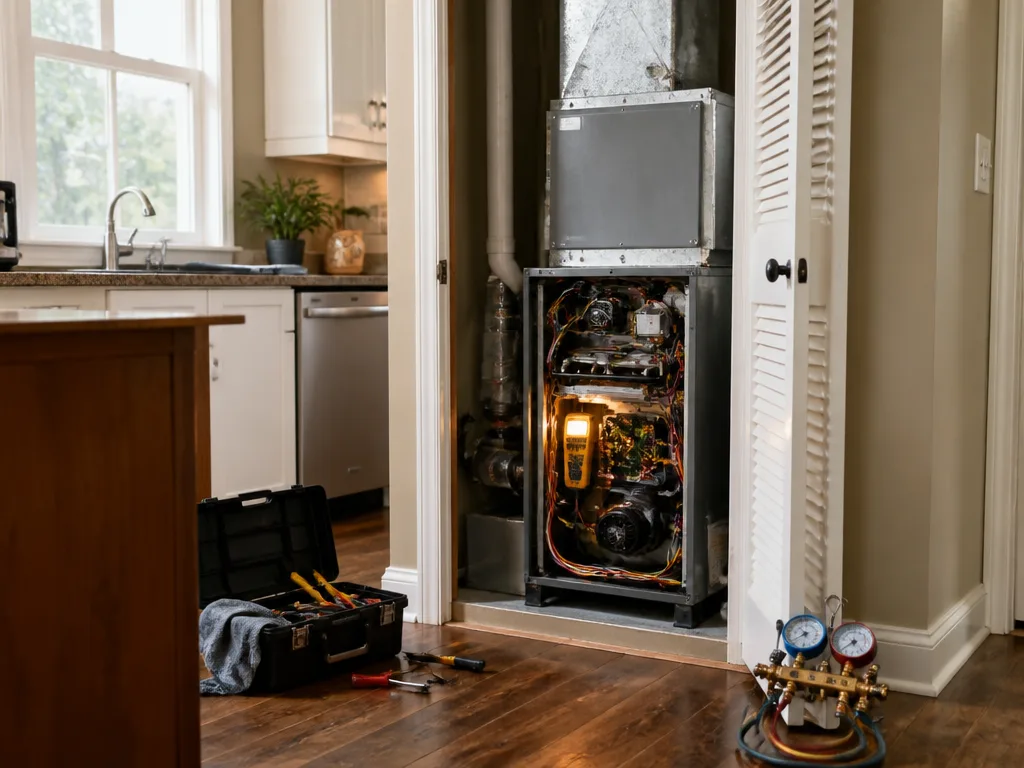
Homeowners often reach for a DIY fix when the system isn’t cooling well or is making odd noises. A quick filter change or thermostat check is usually fine to handle. But there are limits. In many cases, attempting a repair without the right tools or knowledge can cause more harm than good, especially with refrigerant handling and electrical components.
For HVAC service, safety and long-term reliability come first. Here in South Carolina, crews across the state work with the same basic standards: diagnose, confirm, and repair with the right parts. If you’re unsure about the issue, it’s safer to call a professional before you start disassembling anything that powers your home comfort.
What you can handle yourself
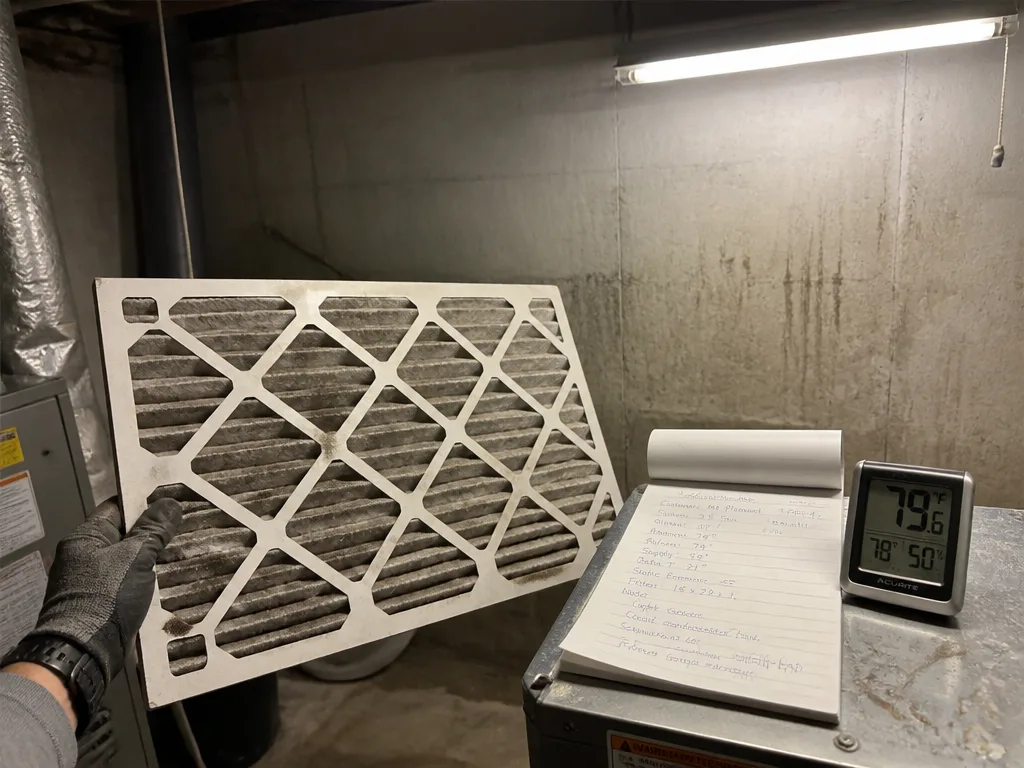
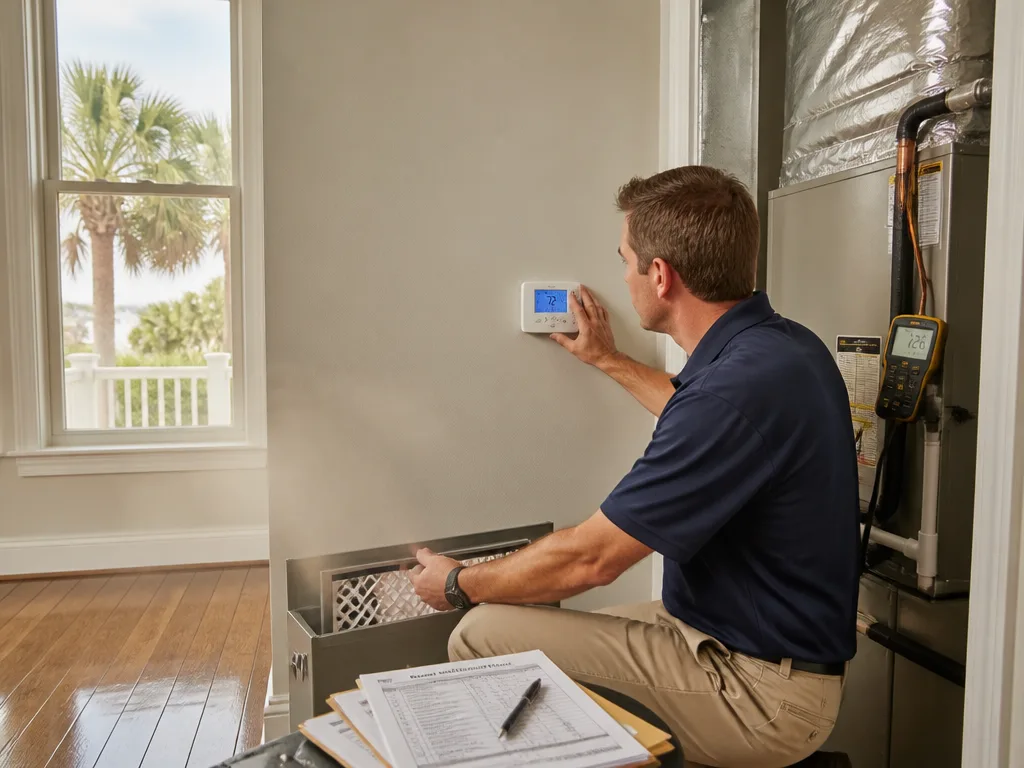
Here are practical, everyday tasks you can do without risk: replace the air filter every 1 to 3 months depending on usage, keep outdoor units clear of debris, and check that thermostat settings are correct for your schedule. If the system runs with a hum but doesn’t deliver cooling, or the airflow feels weak in multiple rooms, stop and call for a professional evaluation.
Keep in mind that some common DIY actions can void warranties or cause safety concerns. If you notice a refrigerant leak, unusual wiring, or a burning smell, don’t keep trying. Schedule a visit with South Carolina HVAC Pros as soon as you can so our HVAC technicians can inspect and resolve the issue safely.
Guidelines for deciding to call a pro
Consider a professional if you experience any of these: significant temperature swings, a rising energy bill without a change in usage, or if the system won’t start at all. If you have to bypass the thermostat or hear unusual noises that persist after a reset, it’s time for a technician to take a look.
When you call, have a quick description ready: symptoms, any recent changes, and the last maintenance date. This helps the South Carolina HVAC Pros technician diagnose faster and get you back to comfortable cooling or heating sooner.
Bottom line
DIY can cover simple upkeep, but complex issues involving refrigerant, wiring, or major components should be handled by HVAC technicians to protect safety and system longevity.